
About Shahnameh
The Book of Kings — Ferdowsi, c. 1010 CE
Long before flowers were given, they were sung about.
The Shahnameh — Iran's great Book of Kings — is an epic poem of 60,000 verses written by the poet Ferdowsi over thirty years, blooming out of love for a language, a land, and its people.
It tells of heroes and dynasties, of loss and triumph, of gardens where empires rose and fell.
In Persian culture, flowers have never been mere decoration — they are symbols woven deep into the fabric of poetry, ritual, and remembrance.
« I don't sell flowers. I tell stories that have lasted a thousand years — and that, for the time of a bouquet, become yours. »
Shahnameh, book of Kings
Stories of mythical heroes, legendary kings, and unforgettable women whose courage, love, and sacrifice echo across a thousand years.

Simorgh
The magical bird Simorgh hears the infant cries of the baby Zaul, who was abandoned by his father in the wilderness. Simorgh scoops him up and prepares to feed him to her baby chicks but the beautiful baby charms the bird mother and she decides to raise him as her own.

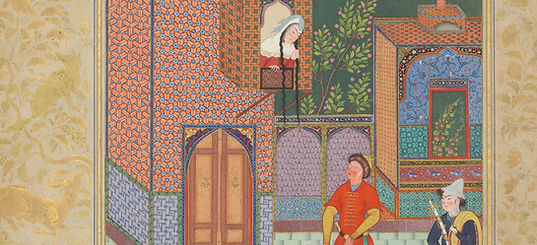
Zaul and Rudabeh
Rudabeh was the most beautiful woman in Persia. Zal was a hero raised by a mythical bird. Their families were enemies and the world said they should never meet. When they finally found each other, Rudabeh let down her long hair from her tower window so he could climb to her. Zal — out of pure respect — refused to use her hair as a rope. He found another way. That single gesture said more than any declaration of love ever could. Nothing — not family, not politics, not fate — could keep them apart. Their son was Rostam, the greatest hero Persia ever knew.
_by_Firdau.jpg)